


Fall doesn't get nearly enough credit as a selling season. Spring gets all the attention, but buyers who are out shopping in October and November are usually there for a reason — they have a deadline, a life change, or a genuine need to move. That kind of motivation tends to lead to cleaner offers and fewer games.
The trade-off is that fall listings have less foot traffic to work with, so the homes that sell well are the ones that are genuinely ready. Not just tidy, but prepared in a way that makes buyers feel confident from the moment they pull up to the curb. Presentation, upkeep, and pricing all carry more weight when the buyer pool is smaller.
This article walks through the highest-impact steps first, starting with what buyers notice before they even get out of the car, and working through to the market strategy that gives a well-prepared home the best shot at a solid offer.
Start With the First Impression Buyers Judge in Seconds
Fall has a way of making neglected yards look worse than they actually are. Wet leaves mat down on walkways, dead summer annuals slump in their beds, and gutters start to overflow with debris. Buyers see all of it before they ever reach the front door, and it shapes their expectations for what they'll find inside.
The most urgent outdoor tasks are also the most straightforward — rake and remove leaves regularly so they don't accumulate on the lawn or walkways, pull out any plants that have died back, and clear flower beds so the yard looks intentional rather than abandoned. If you have a porch, sweep it thoroughly, check for cobwebs in the corners, and make sure wet leaf buildup isn't staining the floor or steps.
The front door area deserves specific attention. A clean door with fresh hardware, a new doormat, and one or two simple planters with cool-season plants like ornamental kale or pansies can shift the entire feel of the approach. These are small investments that pay off in the way buyers emotionally respond to the home before they've seen a single room.
One thing worth taking seriously is what a neglected exterior communicates beyond aesthetics. Buyers who see overgrown shrubs, clogged gutters, or peeling trim don't just think the yard needs work — they start wondering what else hasn't been kept up. Deferred exterior maintenance raises questions about drainage, roof condition, and the overall care the home has received.
Listing photos should only be scheduled once the yard, porch, and front approach are in their best shape. Fall can actually be a beautiful time to photograph a home, especially if your landscaping has mature trees with color. A clean, well-maintained exterior photographed on a clear day gives your listing a strong visual foundation that holds up even as the season gets grayer and colder.
Fix the Cold Weather Problems Before Buyers Ask About Them
Buyers shopping in fall are already thinking about winter. They're walking through your home and mentally calculating what it's going to cost to heat, whether the windows are drafty, and whether anything is going to break down in January. Getting ahead of those concerns before showings begin is one of the smartest things a seller can do.
Start with the heating system. Having your furnace or HVAC serviced by a licensed technician before listing is worth every dollar, and keeping the service receipt is even better. A fresh filter, a clean bill of health from a professional, and a system that actually kicks on smoothly during showings does a lot to reassure buyers. If your home has a fireplace, a chimney inspection and cleaning is worth scheduling too, especially if you plan to highlight it as a feature in your listing.
Beyond the mechanical systems, walk the exterior and interior with fresh eyes and look for the things fall tends to expose. Peeling or bubbling paint, rotten trim, gaps in weatherstripping, and moisture stains near the foundation or in the basement all become more visible as temperatures drop and rain picks up. Slippery walkways and steps are also worth addressing, both for safety and for the impression they leave.
A pre-listing inspection is a genuinely useful tool in the fall market. It lets you find and fix seasonal issues on your own terms rather than having them surface during a buyer's inspection and become negotiation points. It also signals to buyers that you've been proactive, which builds trust.
Gathering documentation for your major systems is another step that pays off. Records for the roof, HVAC, water heater, gutters, and any recent service work give buyers something concrete to hold onto. When a buyer can see that the furnace was serviced in October and the roof was replaced three years ago, they're less likely to pad their offer with a mental buffer for potential repairs. That documentation turns uncertainty into confidence, and confident buyers make cleaner offers.
Make the House Feel Warm, Bright, and Easy to Picture as Home
Once the maintenance side is handled, the focus shifts to how the home feels. Fall staging isn't about turning your living room into a pumpkin patch — it's about creating a sense of warmth and comfort that makes buyers want to stay longer and come back for a second showing.
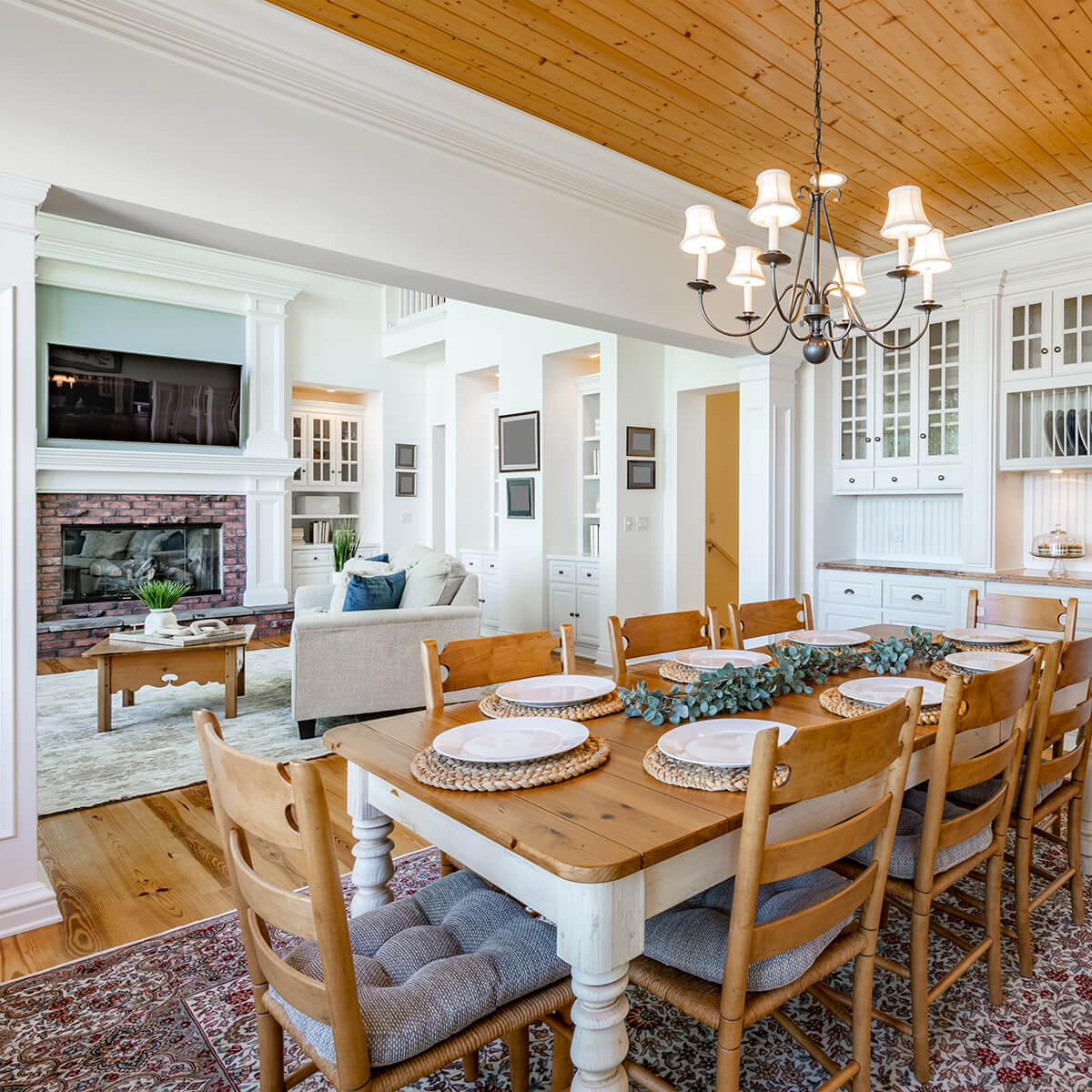
The rooms that matter most are the living room, primary bedroom, and dining room. These are the spaces buyers spend the most mental energy in, and they're where staging has the biggest return. In the living room, a simplified furniture layout with a soft throw and a couple of warm-toned accent pillows goes a long way. Lamp lighting matters more here than overhead lighting, which can feel harsh and institutional. In the primary bedroom, layered neutral bedding with a textured blanket or duvet reads as cozy without being too personal or decorative.
Holiday and seasonal decor is where sellers tend to overdo it. A small pumpkin on the porch is fine. A full autumn tablescape with leaf garlands, multiple scented candles, and a collection of seasonal accessories pulls buyer attention away from the home itself and toward the stuff inside it. The goal is for buyers to notice the rooms, not the decor.
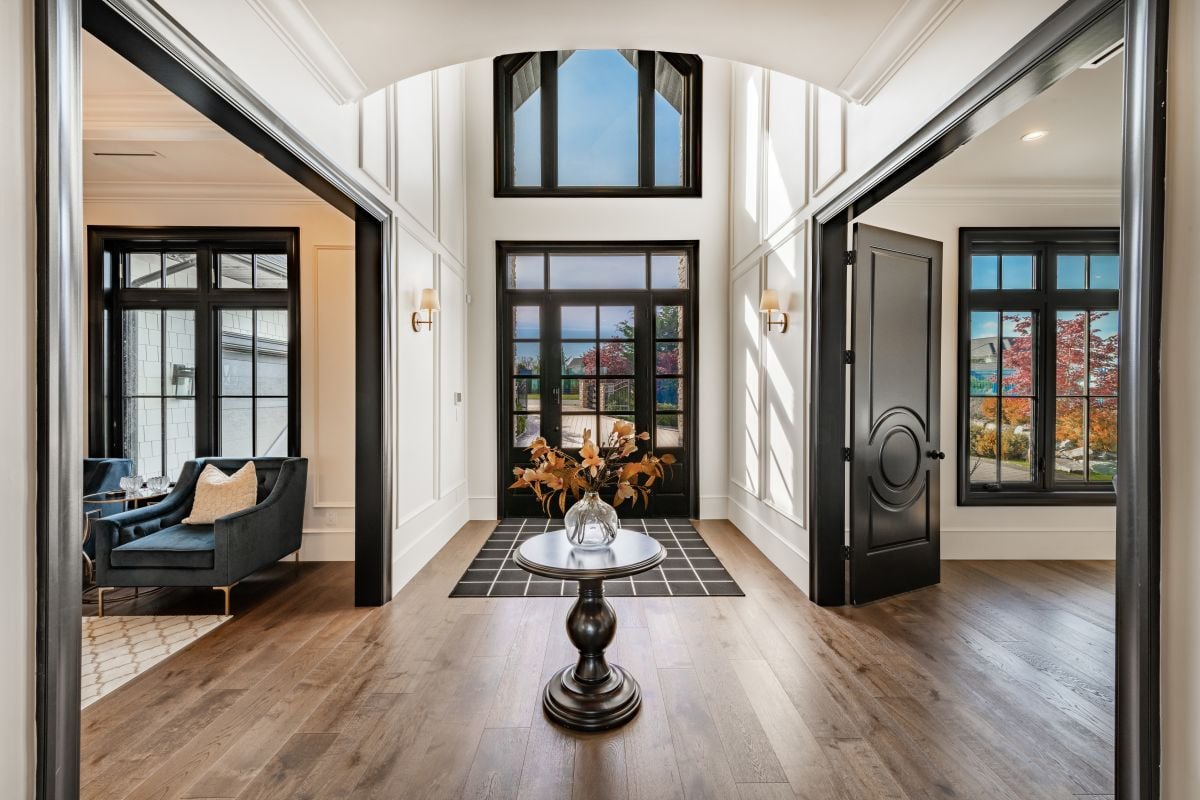
The entryway also deserves real thought. In fall, buyers are coming in with wet shoes, damp coats, and umbrellas, and they're immediately assessing whether the home can handle daily life. A clean, functional entry with a good mat, clear hooks or a small bench, and enough space to feel organized tells buyers that this home works practically, not just aesthetically. Scent is worth mentioning here too — skip the strong artificial fragrances and opt for a clean, neutral smell that doesn't overpower the space.
Bring in Every Bit of Natural Light You Can
Shorter days make light a genuine selling advantage in fall. A home that feels bright and airy in October stands out in a way it simply wouldn't in June, when every listing has good natural light to work with.
Window cleaning is one of the most overlooked steps in fall prep. Dirty glass cuts down on the light that comes through and makes rooms feel smaller and darker than they are. Washing windows inside and out, trimming any shrubs that have grown up and started blocking lower windows, and pulling back curtains fully before showings are all simple fixes that make a real difference.
Bulbs matter more than most sellers realize. Replacing any burnt-out bulbs and making sure every fixture in the home is working before showings creates a baseline of brightness that buyers notice. Using warm-toned bulbs rather than cool or daylight bulbs keeps the home feeling inviting rather than clinical, which ties back to the overall sense of warmth you're going for.
Evening and late-afternoon showings are common in fall because buyers are often coming straight from work. For those showings, lamps and interior lighting do the heavy lifting. Setting lamps on timers or turning them on before buyers arrive means they walk into a home that already feels warm and welcoming rather than a dark house where someone is scrambling to flip switches.
Setting the thermostat to a comfortable temperature before showings is a small detail that has a real physical effect. A home that feels slightly cool when buyers walk in creates a subtle discomfort that can color the entire visit. A home that feels warm from the moment the door opens gives buyers permission to slow down and actually look around.
Use Fall Photos and Showings to Make the Listing Stand Out
Strong listing photos matter year-round, but they carry extra weight in fall because the buyer pool is smaller and online browsing is how most buyers decide which homes are worth their time. A listing with dim, gray photos gets skipped over quickly, even if the home itself is excellent.
Scheduling photography on a clear day when the interior is at its brightest is the starting point. For the exterior, timing matters too. If your property has mature trees with fall color, shooting before the leaves drop gives you a front-of-home photo that actually looks appealing. If the landscaping is more minimal, a clean overcast day can still work well as long as the home's exterior is tidy and well-lit.
Twilight or late-afternoon exterior shots are worth considering if your home has porch lighting, warm windows, or outdoor features that photograph well in lower light. That kind of shot can make a listing feel especially inviting and is often used as the hero image in online listings.
For each showing day, a short routine keeps the home consistently ready. Before buyers arrive, clear any leaves that have accumulated on the walkway or porch, turn on all interior lights and lamps, open blinds fully, tidy the entry, and put away pet items and any bulky outerwear that might be piling up near the door. It takes fifteen minutes and it makes a meaningful difference in how the home shows.
Price and Time the Sale for a More Selective Fall Buyer
A well-staged, well-maintained home can still sit on the market longer than it should if the price is anchored to what homes were selling for in April. Fall buyers are working with current market conditions, and they tend to be more deliberate about what they're willing to spend, particularly when they're thinking about heating costs, potential repairs, and the full financial picture of a move.
Pricing based on current local comparable sales rather than peak-season data gives your listing a realistic foundation. A home that is priced fairly for the fall market tends to attract faster interest than one that starts high and requires reductions, because serious buyers are watching the market closely and they notice when a listing has been sitting.
Fall buyers are also more attuned to move-in readiness than buyers in a hot spring market. When inventory is tight and competition is high, buyers are more willing to overlook things. In fall, they're less likely to stretch for a home that needs immediate work, which is another reason the maintenance and presentation steps earlier in this article matter so much. A home that is clearly ready to move into is a stronger value proposition regardless of the season.
Working with a local real estate agent who has recent experience in your specific market is genuinely worth the conversation. Seasonal demand varies a lot by location — what's true for a suburban market in the Midwest in October may not apply to a coastal market in the South. An agent with current data on days on market, list-to-sale price ratios, and buyer activity in your area can help you set a price that attracts offers rather than one that chases the market down.
Getting a fall sale right is less about doing everything perfectly and more about doing the right things consistently. A clean exterior, a well-maintained home, smart staging, good lighting, and a price grounded in current reality give your listing a genuine advantage with the buyers who are actually out there looking.
Check out this article next